by Joe Dennis
Reviews published individually on Internet Movie Database.
My Oscars go to …
Best Picture: American Sniper
Best Director: Richard Linklater, Boyhood
Best Actor: Bradley Cooper, American Sniper
Best Actress: Felicity Jones, The Theory of Everything
Best Supporting Actor: J.K. Simmons, Whiplash
Best Supporting Actress: Patricia Arquette, Boyhood
Best Animated Picture: The Boxtrolls (not reviewed here)
The following reviews are in order of “should definitely win” to “why was this even nominated”?

Like 2010 Best Picture winner The Hurt Locker, American Sniper provides insight into how war impacts the psyche of soldiers. Although Navy SEAL Chris Kyle is celebrated among fellow soldiers, director Clint Eastwood lends as much time portraying the strain the war had on Kyle’s personal life, specifically his wife. Bradley Cooper (who trained for three months to gain 40 pounds of muscle) should win the Best Actor Award for playing the conflicted Kyle, who forces himself to develop a hatred of the enemy, referring to Iraqis as “savages,” so he can justify killing them. The action scenes provide an adrenaline rush, but it’s the intentional moments of silence — such as when Kyle, with finger on the trigger, is deciding whether to kill a child who is holding what appears to be a bomb — that make American Sniper the best picture of the year.
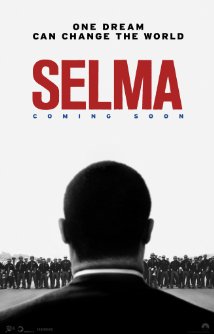
 There have been many films that rightly glorify Martin Luther King and the Civil Rights Movement, but Selma is the first movie to showcase the internal battles within the movement. Director Ava Duvernay places the focus on King’s struggles — not just with the people against him but also with the people on his side. David Oyelowo plays a King who remained determined in his battles with President Lyndon Johnson, his right-hand man Andrew Young and Malcom X. In the penultimate moment of the Selma march, we find King not engaged in a fight against segregationists, but in a struggle to save his marriage. Selma humanizes King, which strengthens his legacy.
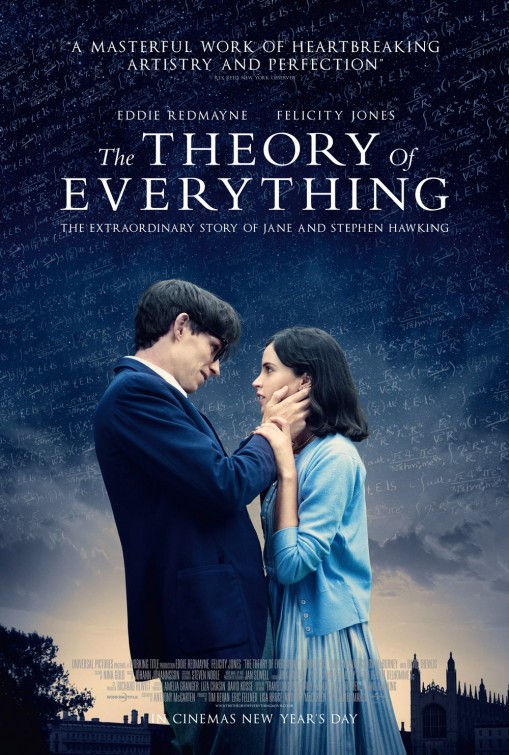
 The Theory of Everything is the ultimate love story. Eddie Redmayne does a phenomenal job portraying physicist Stephen Hawking physically self-destructing as ALS cripples everything but his mind. Redmayne showcases the pain Hawking must have felt at each new struggle he faces — such as his inability to crawl upstairs as his baby curiously stares down at his daddy through the baby gate. But the heart of the film is Felicity Jones, who should win a Best Actress award for her portrayal of Jane, Hawking’s determined wife. Jane refuses to let Stephen feel victimized, struggling to maintain a normal family life despite his crippling disease. Jane is the poster-child for the feminist wife: intelligent, determined and totally in control of her family.
 The dark-horse of the best picture nominees, Whiplash poses the ethical question, “how much is too much?” J.K. Simmons plays tough college music teacher Fletcher, whose mission is to find the next great jazz musician. In his efforts to get the best out of his musicians, he verbally, and at times, physically abuses his students. Simmons should win the Best Supporting Actor Award for playing the character we should hate, but for some reason have an affection for. The movie is accompanied by an outstanding soundtrack and the best ending of the year, however is cluttered with an unnecessary plot line involving the main character and a girlfriend.
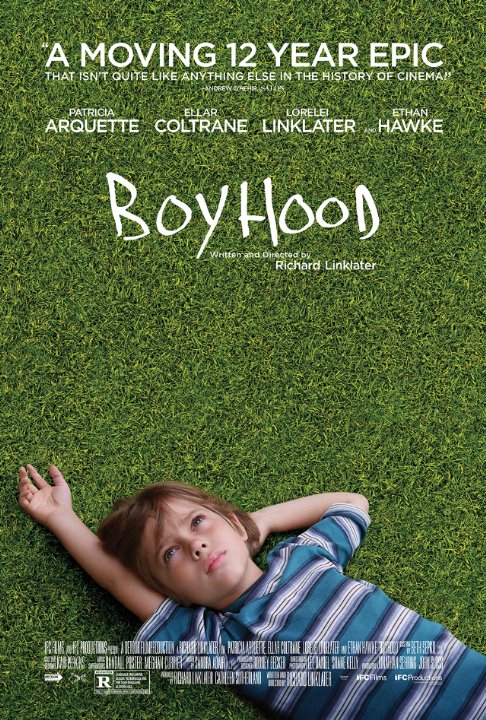
 The idea of Boyhood is groundbreaking — tracking a family over 12 years. It’s very neat watching a family evolve before your eyes. Director Richard Linklater should win the Best Directing Award for piecing together such a complicated puzzle. The movie promotes the growth of the boy, but it’s the development of Patricia Arquette as the mom that is most interesting. Arquette should win the Best Supporting Actress Award for showcasing a mom who is doing all she can to provide the best foundation for her children. While her kids are growing, the aging mother encounters homelessness, an abusive partner, and an absentee partner while she works her way through college to eventually provide the family with a firm — but still shaky — foundation. Although the premise of Boyhood is groundbreaking, the story — which is simply working class life — begins to lose its luster.
 Hollywood is full of itself, and no movie is as self-serving as Birdman or The Unexpected Virtue of Ignorance This film is one big who trip, and its mere premise fails to make the audience feel sorry for main character Riggan, played by Michael Keaton. The disappointing ending adds to the viewer’s anger with the selfish Riggan. With that said, the movie has entertainment value. Tremendous acting jobs by Keaton, Edward Norton and Emma Stone (all deservingly nominated for Academy Awards) and the illusion of the movie being filmed in one continuous take make Birdman worth viewing, and makes director Alejandro Inarritu deserving of his Best Director nomination.
 The Imitation Game tells the true story of Alan Turig, a World War II British mathematician who develops a monstrous machine (now known as the computer) that ultimately helps defeat Germany. Benedict Cumberbatch is outstanding in his portrayal of Turing, whose life story has two major facets: the development of the machine and being charged for the crime of being gay. The fault in The Imitation Game is director Morten Tyldum’s attempts to tell both stories. Ultimately, the story of Turig’s inhumane sentence — undergo painful hormonal treatment to reverse his libido — was seemingly crammed into the movie, not giving it enough justice.
 The Grand Budapest Hotel is just plain weird. It’s the kind of humor director Wes Anderson is known for — think stupid humor for intelligent people. However, unlike his other films like Rushmore and The Royal Tenenbaums, The Grand Budapest Hotel storyline feels disjointed, and the main characters gets so wrapped up in hijinks that it’s difficult to remember just why they are in a given situation.






 Joe Dennis